A Rainy Arrival Evening with No Reservations
Plan a rainy arrival evening with no reservations: find a warm place to eat, handle wet gear, and settle in without turning the first night into a trek.
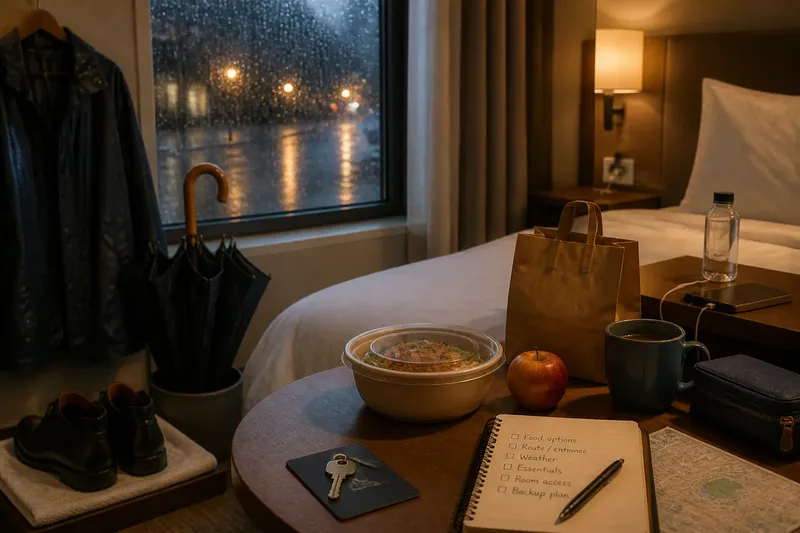
Your room key is in one hand, a damp coat in the other, and rain is tapping the hotel window. For a rainy arrival evening with no reservations, make the first useful decision about warmth and food, not sightseeing: get dry, eat something simple, and let the night remain small.
A first evening has its own chores. You may need to dry an umbrella, charge your phone, find drinking water, or figure out where breakfast is served. A comfortable landing can be more satisfying than adding another destination to an already long travel day.
What makes a first night feel settled?
Give yourself a brief reset before deciding whether to leave again. Hang wet outerwear where it can drip safely, place shoes on a towel or tray if the room has one, and plug in your phone. Check the hotel’s posted information for practical details such as the front desk number, breakfast arrangements, and the nearest entrance after hours.
Then decide what would make the evening easier: food, a few basic supplies, or simply a quiet room. These are different needs, and solving one does not require turning the night into a neighborhood tour.
How can you sort out dinner without a reservation?
Start with the least demanding option that suits your appetite. A hotel restaurant, lobby café, nearby takeaway counter, or grocery shop may be enough; if you would rather stay in, ask the front desk what local delivery services can reach the address. Check current hours directly, since kitchens and shops may close earlier than their listings suggest.
It helps to have a fallback that does not depend on a table. If a restaurant is full, a prepared meal from a shop or a simple snack in your room can prevent a hungry search through the rain. Keep food allergies and dietary needs in mind, and check ingredient information or ask staff when something is unclear.
What should you bring if you do step out?
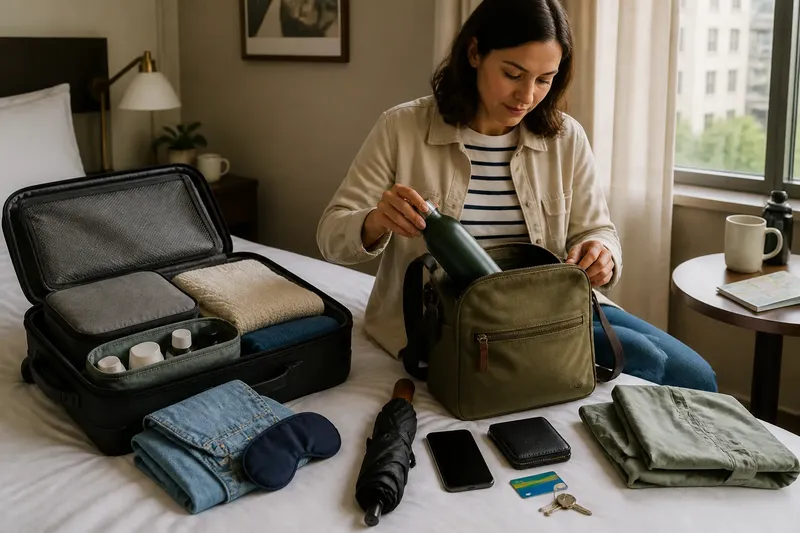
Carry only what the errand or meal requires: room key, phone, payment method, and rain protection. A small tote can keep purchases separate from a wet umbrella; a resealable bag can protect a charging cable or paper directions. Leave valuables and extra luggage secured in your room when appropriate.
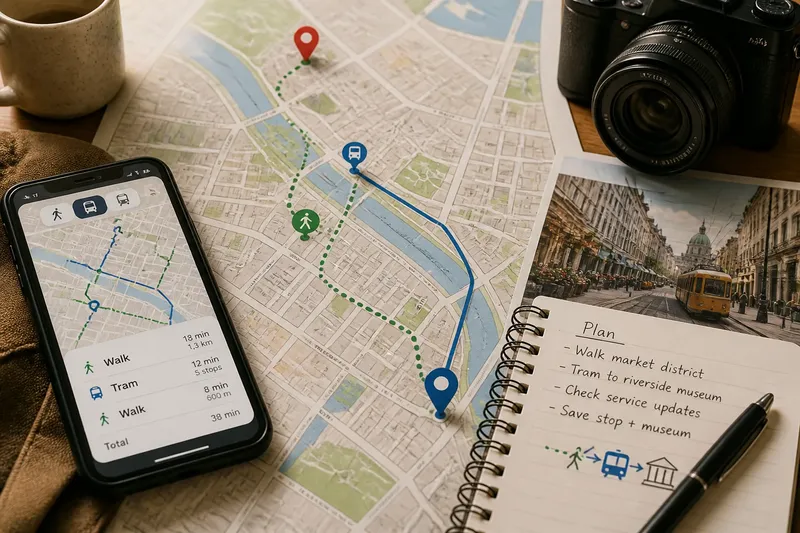
Check the route to the specific entrance, not just the destination pin. A lit main street or direct transit stop may feel simpler than a short route through a dark or exposed area. If weather or local conditions make the trip uncomfortable, choose delivery or stay in; for urgent safety concerns, contact hotel staff or local emergency services as appropriate.
Which first-night details do travelers often ask about?
Should you unpack before going out?
Unpack only what helps you settle, such as toiletries, sleepwear, or a change of dry clothes. If you are heading out briefly, keep the rest of your luggage closed so you can return and rest without creating another task.
What if nearby food is closed?
Ask the front desk about open options, delivery access, or any food service inside the property. If nothing is available, use travel snacks or shelf-stable food you already have, then make a plan to buy breakfast when shops open.
Is it sensible to use room delivery?
It can be convenient if the service reaches your lodging and you are comfortable with its ordering and payment process. Confirm the delivery instructions and where the courier should meet you, following the property’s rules.
What if you are too tired to leave?
Stay in and make the room comfortable: change into dry clothes, drink water, and choose food you already have or can order. If you need something essential, ask hotel staff whether they can help before setting out again.
How do you make a simple backup plan?
Imagine you check into a small inn in steady rain, feel hungry, and find the nearby café closed when you call. First, you ask the front desk whether its kitchen is serving and learn that it is not; next, you check whether a grocery shop will deliver and find that it does not serve the inn. You then ask staff about the closest open takeaway counter, confirm its hours, and order a meal for pickup. The resulting choice is clear: make one short, confirmed trip for food, or skip it and use the crackers and fruit already in your bag if the rain worsens.
That kind of backup works because each choice answers a practical question rather than adding another stop. Keep the next morning simple, too: note where you can get breakfast and set out any dry clothes before turning in.
What should you check before leaving the room?
- Food hours: Check whether the kitchen or nearby shop is open; if it is, choose the easiest suitable option, and if it is closed, ask about delivery or use food you already have.
- Dietary needs: Check menus or ingredient details for anything you need to avoid; if the information is clear, order accordingly, and if it is not, choose a dish or venue that can answer your question.
- Weather: Check current conditions before walking; if the route feels manageable, take rain protection, and if it does not, use delivery or stay indoors.
- Route and entrance: Check the address, entrance, and return route; if they are straightforward, go directly, and if they are confusing, ask staff for directions or choose another option.
- Room access: Check that you have your key and know how to re-enter; if access is clear, leave, and if it is not, confirm the procedure with the front desk first.
- Essentials: Check whether you need a phone, payment method, or a bag for purchases; if you do, take only those items, and if not, leave the extra gear in the room.
A rainy arrival evening with no reservations is easier when you treat the room as a base, not a launchpad for a packed night. Handle the immediate need, verify the details that could strand you, and keep one last option close: a quiet return, a dry change of clothes, and permission to call the evening done.